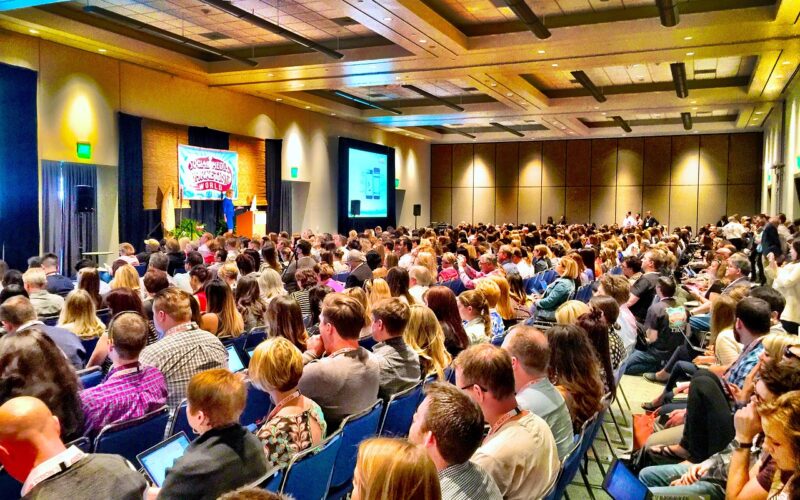
The traditional business conference was once the cornerstone of professional networking. Thousands of industry leaders, innovators, and hopeful executives would travel across the globe, gathering in massive convention centres to exchange business cards and discuss market trends. However, recent years have seen a noticeable shift in how professionals connect. Rising travel costs, growing environmental concerns, and the rapid normalisation of digital communication have collectively challenged the viability of these large-scale events. Consequently, organisations are fundamentally reassessing the value of sending their teams to crowded summits.
The catalyst for a changing landscape
The transition away from massive industry gatherings did not happen overnight, though recent global disruptions accelerated the process. Companies noticed that the return on investment for attending expensive international conferences was often difficult to quantify. When factoring in the cost of flights, accommodation, event sponsorships, and the loss of productive working hours, business leaders started demanding more efficient ways to achieve the same networking outcomes. Furthermore, the carbon footprint associated with flying hundreds of employees to a single location has become increasingly difficult to justify for corporations committed to ambitious sustainability targets.
Digital alternatives take centre stage
Virtual networking platforms have evolved far beyond the basic video calls of the past, offering highly interactive and specialised environments for professional engagement. Modern digital summits feature sophisticated matchmaking algorithms that connect attendees based on shared business interests, ensuring that every virtual meeting has a high probability of generating mutual value. These digital alternatives eliminate geographical barriers entirely, allowing a professional in London to seamlessly build rapport with a potential client in Tokyo without ever leaving their home office. The accessibility of online networking has democratised industry access, enabling smaller businesses and independent professionals to participate in high-level discussions that were previously gatekept by prohibitive conference fees.
The emergence of targeted micro-events
While digital solutions offer unparalleled reach, the fundamental human desire for face-to-face interaction remains strong, leading to the rise of hyper-focused micro-events. Instead of renting out sprawling exhibition halls, forward-thinking organisations are now hosting intimate, invite-only dinners, specialised workshops, and regional masterclasses. These smaller gatherings prioritise quality over quantity, ensuring that attendees can engage in deep, meaningful conversations rather than superficial small talk. By focusing on niche topics and carefully curating the guest list, organisers of micro-events create an environment where genuine professional relationships can flourish without the overwhelming noise of a massive trade show.
Building continuous online communities
The future of networking is moving away from annual, isolated events and towards the cultivation of continuous, year-round online communities. Professional associations and industry leaders are investing heavily in private digital hubs where members can share insights, ask questions, and collaborate on projects on a daily basis. These communities operate on platforms that resemble sophisticated social networks tailored specifically for business, fostering a sense of ongoing camaraderie that a three-day conference simply cannot match. This model ensures that networking becomes an integrated part of a professional's daily routine, rather than a frantic exercise compressed into a single, exhausting week.
Navigating the future of professional connections
The decline of the traditional business conference does not signal the end of industry networking; it marks the beginning of a more intentional, efficient, and inclusive era of professional connection. Professionals must adapt by developing a hybrid approach to relationship building, balancing the broad reach of digital platforms with the deep impact of targeted, in-person micro-events. By actively participating in ongoing digital communities and prioritising meaningful engagements over sheer volume, business leaders can build robust networks that drive long-term success. The focus has decisively shifted from how many hands you can shake to how much genuine value you exchange within your ecosystem.